The logistics landscape of the Middle East is undergoing a massive, structural shift. In response to shifting global dynamics, the United Arab Emirates has set its sights on a transformative long-term goal: building a trade ecosystem that operates with “Zero Hormuz Dependency.”
For generations, the Strait of Hormuz has been the primary maritime gateway for the Arabian Gulf. However, relying on a single, heavily congested chokepoint introduces unwanted variables into the modern supply chain—ranging from fluctuating insurance premiums to sudden transit delays.
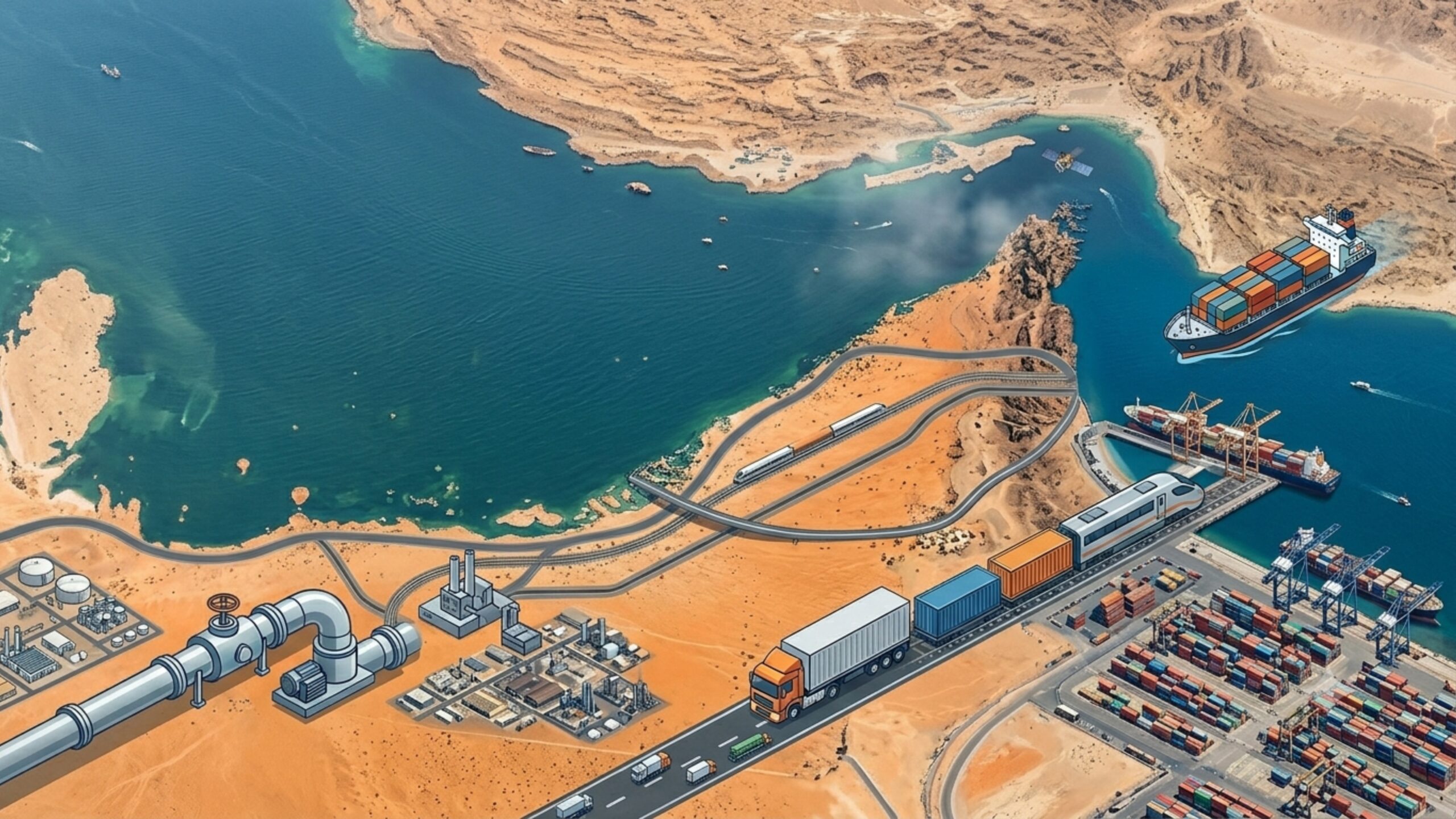
To insulate international trade from these vulnerabilities, the UAE is constructing an alternative logistical backbone. By channeling investments into its eastern coastline through port expansions, advanced pipeline systems, and robust rail links, the nation is actively de-risking the flow of global commerce.
The Strategic Challenge of a Single Waterway
Positioned between the Arabian Gulf and the Gulf of Oman, the Strait of Hormuz handles an immense volume of global trade daily. While it remains a vital economic artery, any operational bottleneck in this narrow passage sends ripples through the global economy, directly affecting:
- Ocean Freight Predictability: Unplanned route deviations alter arrival windows.
- Operational Costs: Shipping lines frequently adjust surcharges based on regional risk assessments.
- Supply Chain Continuity: Modern “just-in-case” inventory models require reliable, uncompromised corridors.
By developing alternative pathways that look outward toward the open ocean, the UAE is offering global businesses a reliable safety valve.
Four Main Pillars of the Diversification Strategy
Achieving a resilient logistics network requires moving away from single-route dependency. The UAE’s blueprint distributes trade traffic across four core infrastructural developments along its eastern coast:
1. Elevating Fujairah Port as an Open-Ocean Gateway
Because the Port of Fujairah sits directly on the Gulf of Oman, it grants ships immediate access to international waters without requiring them to enter the Strait. The ongoing expansion of Fujairah focuses on maximizing container throughput, scaling up industrial free zones, and expanding dry-bulk handling. This positions the port not just as a refueling stop, but as a primary destination for global freight.
2. Boosting Throughput at Khor Fakkan and Dibba
The eastern coastline strategy relies on a multi-port approach to avoid creating new bottlenecks:
- Khor Fakkan: Already a prominent transshipment point, targeted upgrades to its container terminals aim to accelerate vessel turnaround times for the world’s largest cargo ships.
- Dibba Port: Commercial upgrades here ensure that bulk cargo and regional trade have multiple coastal outlets, distributing the logistics load efficiently.
3. Expanding Overland Pipeline Frameworks
Moving liquid bulk securely requires bypassing maritime channels altogether. The existing Habshan-Fujairah pipeline proved that overland energy transit works. The next phase of this strategy involves scaling up this network—enhancing existing capacities and exploring multi-product pipelines that can transport refined fuels directly to eastern docks for immediate global export.
4. Constructing the Multimodal Connection (Etihad Rail & Roads)
An ocean-facing port is only as good as its inland connections. The domestic rail network, Etihad Rail, alongside expanded highway corridors, serves as the land bridge connecting the industrial heartlands of the UAE directly to the eastern ports.
[Inland Manufacturing & Warehouses]
                │
                ▼ (Overland Rail / Freight Trucks)
[Eastern Coast Ports: Fujairah & Khor Fakkan]
                │
                ▼ (Direct Ocean Access)
         [Global Markets]
This seamless sea-to-land integration means cargo arriving from western trade lanes can be offloaded early, railed across the peninsula, and shipped out into the Indian Ocean without ever entering a maritime chokepoint.
The Broader Impact on Global Logistics
This infrastructural shift changes the game for freight forwarders, cargo owners, and supply chain managers worldwide.
- Enhanced Risk Management: Businesses can proactively route sensitive cargo away from potential transit disruptions.
- Cost Stability: Avoiding high-risk maritime zones helps stabilize insurance rates and predictable freight costing.
- Strategic Flexibility: The ability to switch fluidly between ocean transport and cross-country rail gives logistics providers the agility required to navigate modern market volatility.
Looking Forward: A Resilient Trade Future
The UAE’s “Zero Hormuz” initiatives mark a fundamental evolution in how regional infrastructure is built. This is no longer just about securing energy corridors; it is about future-proofing the entire movement of goods across the Middle East.
For importers, exporters, and logistics partners, these developments provide a blueprint for more secure, agile, and dependable supply chains. Aligning operations with these new eastern coast corridors will be a distinct competitive advantage for businesses looking to secure their global trade lanes in the years to come.